by
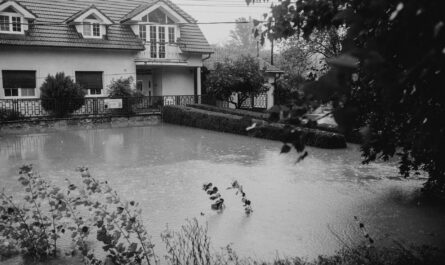
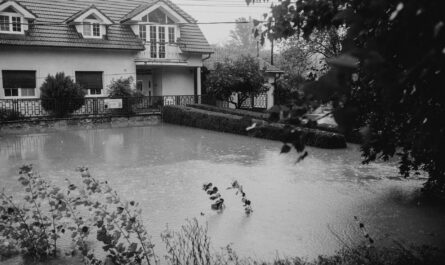
by Navigating the world of flood insurance can feel like wading through murky waters. Misinformation is rife, leading many homeowners to make costly mistakes. This post aims to clarify common misconceptions and equip you with the facts you need to protect your most valuable asset: your home.
Myth #1: My Homeowner’s Insurance Covers Floods
This is perhaps the biggest misconception. Standard homeowner’s insurance policies do not cover flood damage. Flood insurance is a separate policy, often purchased through the National Flood Insurance Program (NFIP) or private insurers. Thinking otherwise could leave you financially devastated in the event of a flood. 
Understanding the NFIP
The National Flood Insurance Program is a federally-backed program designed to provide affordable flood insurance. While it’s a valuable resource, understanding its limitations is crucial. For example, the coverage limits might not be sufficient for high-value homes. It’s essential to carefully review policy details and consider supplemental coverage if necessary. Learn more about NFIP policy limits here.
Myth #2: I’m Not at Risk of Flooding
Many homeowners mistakenly believe that because they haven’t experienced a flood before, they are not at risk. However, flooding can occur in various unexpected ways, including heavy rainfall, overflowing rivers, and even broken water mains. Check your flood risk here using resources like FEMA’s flood maps. Don’t assume you’re safe—even homes located outside designated flood zones can be affected. 
The Importance of Elevation
The elevation of your home significantly impacts your flood risk and insurance premiums. Homes built on higher ground are generally less susceptible to flooding and may qualify for lower premiums. Consider professional elevation certifications to determine your property’s precise elevation. This can prove invaluable when obtaining flood insurance quotes. Read about elevation certificates and their importance.
Myth #3: Flood Insurance is Too Expensive
While the cost of flood insurance varies depending on factors like your location, elevation, and the value of your home, it’s significantly cheaper than the cost of rebuilding your home after a catastrophic flood. The financial burden of unexpected flood damage can be crippling, making flood insurance a smart investment, even if it seems expensive upfront. [IMAGE_3_HERE]
Myth #4: Waiting to Buy Flood Insurance is Okay
Don’t wait until a flood warning is issued to purchase flood insurance. Most policies have a 30-day waiting period before coverage begins. This means that if you buy flood insurance the day before a flood hits, you won’t be covered. Protect yourself proactively and secure your policy as soon as possible.
Conclusion
Flood insurance is often overlooked, but it’s a vital component of a comprehensive home protection strategy. By understanding the facts and dispelling the myths surrounding flood insurance, you can make informed decisions to safeguard your home and your financial future. Find a flood insurance provider near you.
Frequently Asked Questions
What is the difference between the NFIP and private flood insurance? The NFIP is a government-backed program, while private insurers offer alternative flood insurance options, often with broader coverage.
How much does flood insurance cost? The cost of flood insurance varies greatly depending on your location, risk, and the coverage you choose. It’s best to obtain quotes from multiple providers.
What types of flood damage are covered by flood insurance? Flood insurance typically covers damage caused by flooding, including damage to the structure of your home, personal belongings, and even detached structures like garages.
Do I need flood insurance if I live outside a flood zone? Yes, even homes outside designated flood zones can be affected by flooding. It’s always a good idea to assess your individual risk and purchase flood insurance.
How do I file a flood insurance claim? If you experience flood damage, contact your insurance provider immediately to begin the claims process. Be sure to document the damage with photos and videos.