by
by Natural disasters are a stark reminder of the power of nature. But what happens when these events cause significant damage? Often, the term “Act of God” is used, but what does it actually mean in the context of insurance and legal liability? This post will explore the definition of an Act of God and how these events are covered, or not covered, by insurance policies.
Defining an “Act of God”
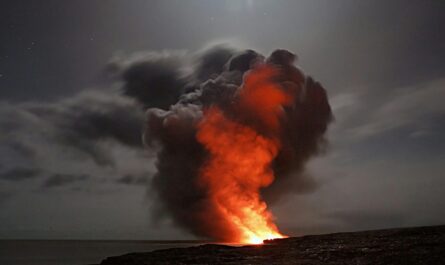
The term “Act of God,” also known as force majeure, typically refers to an event caused by natural forces that is outside human control. This could include events like earthquakes, hurricanes, floods, wildfires, and volcanic eruptions.  It’s important to note that the precise legal definition of an Act of God can vary by jurisdiction and specific insurance policies. Understanding the nuances is crucial for both individuals and businesses.
Insurance Coverage for Acts of God
Many insurance policies explicitly exclude or limit coverage for damages resulting from Acts of God. However, this isn’t always the case. Some policies might offer coverage for specific events, such as flood insurance or earthquake insurance, which are often purchased as separate add-ons. This article provides a detailed explanation of different insurance coverage types. It’s vital to carefully review your insurance policy to determine what specific events are covered and what limitations exist. 
What is NOT Typically Covered?
While certain aspects of damage from an Act of God may be covered, often only the direct, immediate effects are considered. For example, if a hurricane destroys your home, the damage to the structure itself might be covered, but consequential losses such as business interruption or loss of profits, are not typically included. This can leave many individuals and businesses facing significant financial difficulties after a disaster. For a more in-depth understanding of exclusions, check out this resource on insurance policy fine print.
Proving an Act of God
In the event of a claim, proving that the damage was indeed caused by an Act of God can be challenging. You’ll need to provide sufficient evidence, which may include meteorological reports, expert witness testimony, and photographic evidence of the damage. The burden of proof often lies with the claimant. Consulting a legal professional could be valuable in navigating this complex process. See our section on legal advice for more details.
Mitigating Risks
While we cannot prevent Acts of God, we can take steps to mitigate the risks. This might involve creating emergency plans, purchasing appropriate insurance coverage, implementing preventative measures (such as installing flood barriers), and understanding local building codes. Learn more about disaster preparedness and how to protect yourself and your family. [IMAGE_3_HERE]
The Role of Government Assistance
In the aftermath of major disasters, governments often provide assistance programs, such as financial aid, temporary housing, and disaster relief funds. These programs can be invaluable in helping communities recover. However, eligibility requirements and the application process can be complex. This government website offers more information on disaster relief.
Conclusion
Understanding what constitutes an Act of God and how it impacts insurance coverage is essential for protecting yourself and your assets. By reviewing your policies, planning for potential disasters, and understanding the available assistance programs, you can better prepare for unforeseen events.
Frequently Asked Questions
What types of events are generally considered Acts of God? Earthquakes, floods, hurricanes, wildfires, and volcanic eruptions are common examples.
Does homeowners insurance always cover damage from an Act of God? No, many standard policies exclude or limit coverage for such events. Specific coverage often requires separate policies.
What should I do if I experience damage from a natural disaster? Document the damage with photos and videos, contact your insurance company immediately, and consider seeking legal advice.
Are there government programs to help after a natural disaster? Yes, many governments offer financial aid, temporary housing, and other forms of disaster relief.
What is the difference between an Act of God and a force majeure event? While often used interchangeably, force majeure has a broader legal scope, encompassing events beyond natural disasters.